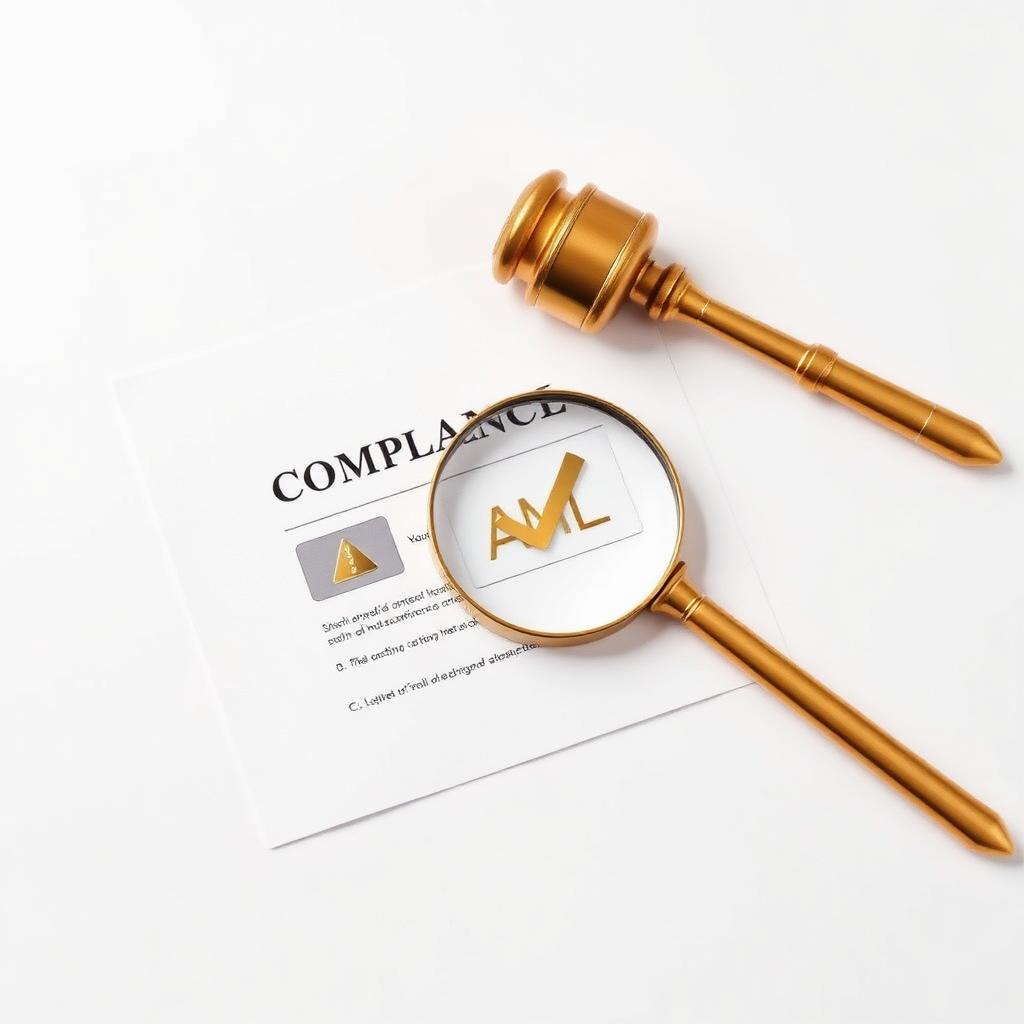
The two frameworks
KYC (Know Your Customer) is the identity-verification layer — proving who the account belongs to. AML (Anti-Money-Laundering) is the transaction-monitoring layer — proving the money moving through the account isn't dirty. Every regulated platform runs both. A "verified" account has passed the KYC layer; the AML layer runs continuously as you transact.
What triggers a compliance review
- Sudden volume spikes that don't match the declared business.
- Round-number deposits or withdrawals ($5,000, $10,000) which mimic structuring.
- Cross-border flows into or out of high-risk jurisdictions.
- Rapid pass-through — money in, money out within hours — which is the classic layering signature.
- IP or device mismatches vs the KYC country.
Buyer-side implications
- Match your transaction pattern to the account's KYC region for the first 30 days.
- Do not run round-number transfers on a fresh account.
- Never chain fresh accounts to freshly funded wallets without any activity history.
- Keep the account's declared purpose consistent with what you actually do.
The legal edge
This industry sits in a gray zone that differs by country. In some jurisdictions transferring account ownership is contractually forbidden by the platform but not criminally regulated; in others it is directly regulated under money-transmission or identity-fraud statutes. Do your own compliance review with a local advisor before purchase — this content is educational, not legal advice.
Get verified stock today
Premium KYC ships real, hand-verified accounts with full document sets, encrypted handover, and a 24-hour replacement warranty.
Frequently asked questions
Do platforms share KYC data with each other?
Not directly, but shared blacklists and sanctions databases mean a document flagged on one platform can raise scores on another.
Is Monero more compliant-friendly?
Monero avoids on-chain linkage but AML monitoring at the platform layer still applies. Compliance is about behavior, not just the coin.